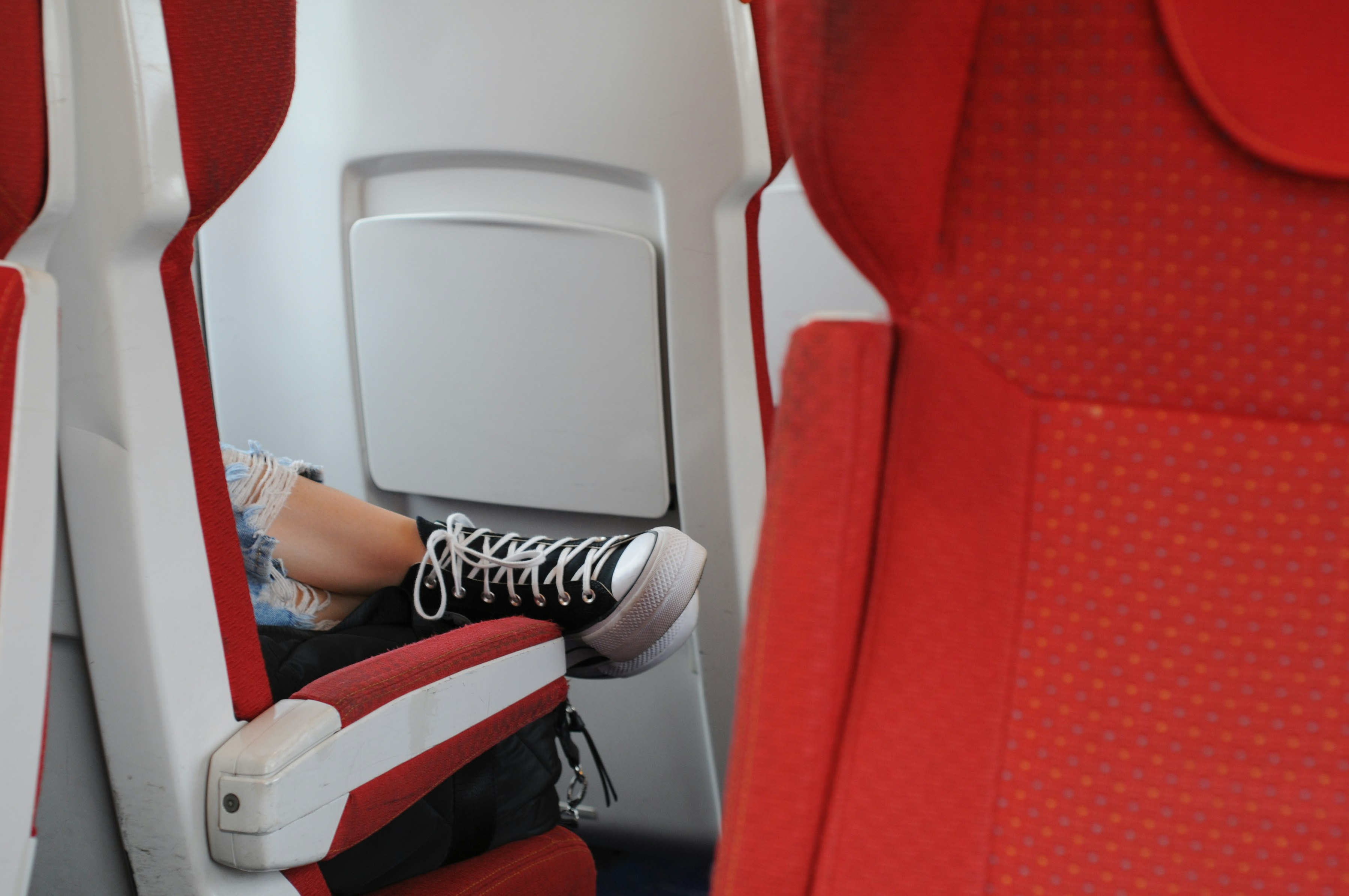
The best compression socks for long-haul flights reduce the leg swelling, aching, and stiffness that come from sitting still for eight, ten, or fourteen hours at altitude, so you land ready to work instead of needing a day to recover.
Some links in this article earn us a small commission at no extra cost to you. As an Amazon Associate we earn from qualifying purchases.
This guide is written by a financial consultant who logs well over 100,000 flight miles a year moving between clients and coworking bases, and started wearing compression socks after a long-haul flight left one ankle visibly swollen for two days. Every pair on this list has been worn on real long-haul sectors and assessed on how much they actually reduce end-of-flight swelling, how comfortable the graduated compression feels after ten-plus hours, and whether they hold their compression through repeated wear and washing.
| Sock | Compression | Material | Pack Size | Price |
|---|---|---|---|---|
| Physix Gear Compression Socks | 20-30 mmHg (Firm) | Nylon/Spandex blend | 1-pair | ~$19 |
| SB SOX Compression Socks | 20-30 mmHg (Firm) | Nylon/Spandex blend | 1-pair | ~$19 |
| Sockwell Circulator | 15-20 mmHg (Moderate) | Merino wool blend | 1-pair | ~$33 |
| LEVSOX Wide Calf | 15-20 mmHg (Moderate) | Nylon/Spandex, wide calf fit | 1-pair | ~$22 |
| Iambamboo Compression Socks | 15-20 mmHg (Moderate) | Bamboo viscose blend | 1-pair | ~$18 |
| SB SOX 3-Pair Pack | 15-20 mmHg (Moderate) | Nylon/Spandex blend | 3-pair | ~$18 |
1. Physix Gear Compression Socks — Best Overall for Long-Haul Flights ~$19 on Amazon

Physix Gear’s 20-30 mmHg firm compression is squarely in the range most frequently recommended for flights over six hours, and with over 34,000 reviews it is one of the most-tested compression socks sold on Amazon. The graduated compression is noticeably tighter at the ankle than the calf, which is the mechanism that actually helps push blood back up the leg rather than letting it pool during long periods of sitting, and the cushioned footbed holds up comfortably even when you are wearing them through a full day of travel rather than just the flight itself.
At this price, for what is genuinely medical-grade graduated compression, this is the pair we would tell a friend to buy first if they only bought one. If your last long flight left your ankles visibly swollen by landing, this is the compression level to reach for.
2. SB SOX Compression Socks — Best for Frequent Long-Haul Flyers ~$19 on Amazon

The SB SOX 20-30 mmHg pair matches Physix Gear on compression level and price, with a slightly snugger, more athletic fit that frequent flyers who also use them for the gym or standing all-day tend to prefer. The compression is consistent and doesn’t loosen noticeably over a full day of wear, which matters most on the double long-haul sectors nomads actually fly rather than a single short domestic hop.
Choosing between this and the Physix Gear pair really comes down to fit preference: SB SOX runs slightly more compressive through the calf, which some flyers find more effective and others find restrictive on a long sit. If you’re unsure, both are inexpensive enough to try.
3. Sockwell Circulator — Best Merino Wool and Premium Comfort ~$33 on Amazon

Sockwell’s merino wool blend is the clear upgrade pick if you have tried synthetic compression socks and found them too hot or too plasticky against the skin on a long flight. Merino wool regulates temperature far better than nylon-spandex, staying warm on a cold cabin and not clammy if the flight runs warm, while the 15-20 mmHg moderate compression is comfortable enough to genuinely forget you’re wearing them for ten-plus hours.
This is a step down in compression level from the 20-30 mmHg picks above, which makes it the better choice for general flight comfort and everyday wear rather than for flyers specifically managing a circulation concern or recovering from a prior DVT scare — for those higher-risk cases, talk to a doctor about the right compression level before choosing on comfort alone.
4. LEVSOX Wide Calf — Best for Wide Calves ~$22 on Amazon

Most compression socks are cut for an average calf circumference and become uncomfortably tight or roll down for anyone larger, which defeats the purpose of even graduated compression. LEVSOX’s wide calf cut is specifically sized to stay put and maintain even compression on larger calves without the top band digging in, at the same 15-20 mmHg moderate compression level as most all-day comfort picks.
If you have tried a standard-fit compression sock before and found it rolled down mid-flight or left a tight red line at the top of your calf, this fit is worth the switch before assuming compression socks just aren’t for you.
5. Iambamboo Compression Socks — Best Bamboo and Softest for Daily Wear ~$18 on Amazon

Bamboo viscose is softer against the skin than either standard nylon-spandex or merino wool, and naturally moisture-wicking, which makes this pair the most comfortable option here for wearing well beyond the flight itself — through a full travel day of layovers, ground transport, and arrival. The 15-20 mmHg compression is moderate rather than firm, prioritizing all-day comfort over maximum circulation support.
This is the pick for nomads who want a compression sock they will actually wear on every flight because it feels like a normal sock, rather than one they save for the longest sectors because it feels overtly medical.
6. SB SOX 3-Pair Pack — Best Value for Regular Travelers ~$18 for 3 pairs on Amazon

At roughly $6 per pair, this 3-pack brings the moderate 15-20 mmHg compression level down to less than the cost of a single premium pair, which matters if you fly often enough that having a clean pair for every long-haul sector (rather than rewearing the same pair across a multi-leg trip) is worth more to you than any single premium fabric.
The tradeoff versus the single-pair picks above is durability over time — a lower price point generally means the compression will loosen slightly sooner with repeated washing — but for nomads who fly enough to want backups on hand, this is the most practical way to always have a fresh pair packed.
The Bottom Line
If you only buy one pair, get the Physix Gear or SB SOX 20-30 mmHg socks — that compression level is what the research behind flight-related leg swelling and circulation actually targets, and at under $20 there is no real reason to settle for a lower level of support on a long-haul sector. If you find firm compression too intense for all-day comfort, step down to the Sockwell, LEVSOX, or Iambamboo picks at 15-20 mmHg instead of skipping compression socks altogether.
Put them on before you board, not after you land — compression socks work by preventing fluid pooling during the flight, not by reducing swelling that has already set in. If you have a history of blood clots, DVT, or a circulation condition, talk to your doctor about the right compression level for you before choosing based on this guide alone.
Frequently Asked Questions
Do compression socks actually work for long flights, or is it a placebo? Multiple clinical studies on long-haul flight passengers have found graduated compression stockings measurably reduce leg swelling and the incidence of symptomless calf vein clots compared to not wearing them. They are not a guarantee against DVT, but the evidence for reduced swelling and improved comfort on flights over four hours is solid.
What compression level (mmHg) should I actually buy? 15-20 mmHg (moderate) is the right starting point for most healthy travelers on long flights and is comfortable for all-day wear. 20-30 mmHg (firm) is typically recommended for flights over eight hours, for travelers who are overweight, pregnant, over 40, or have a personal or family history of blood clots — though anyone in a higher-risk category should confirm the right level with a doctor rather than self-selecting based on a shopping guide.
Can I wear compression socks the entire flight, including sleeping? Yes — graduated compression socks are designed for continuous wear and are most effective when worn for the full duration of the flight, including if you sleep. Just make sure they fit properly and are not so tight they cut off circulation at the top band, which is a sign you need a larger size or a wide-calf fit.
Do I need a prescription for compression socks this strong? No. Over-the-counter compression socks up to 20-30 mmHg, like every pair in this guide, do not require a prescription in the US. Prescription-strength medical compression stockings start above 30 mmHg and are typically reserved for diagnosed venous conditions under a doctor’s guidance.
How do I know what size to order? Compression sock sizing is based on your shoe size and sometimes calf circumference, not just height like regular socks. Check the specific brand’s size chart before ordering, since a compression sock that is too small will be uncomfortably tight and one that is too large will not compress properly at all.
Can I wear compression socks with sandals or open shoes at airport security? Yes, they look and function like a normal knee-high sock and cause no issues at airport security screening. Most travelers simply wear them under regular socks or directly with sneakers, boots, or closed-toe shoes for the flight.
How long do compression socks last before losing their effectiveness? Most graduated compression socks maintain their compression for 3 to 6 months of regular wear and washing, or roughly 30 to 60 washes, before the elastic fibers loosen enough to reduce effectiveness. If a pair you have worn for a while stops feeling snug, it is worth replacing rather than assuming compression socks in general aren’t working for you.
Prices and availability accurate at time of publishing. Please verify current prices on Amazon before purchasing. As an Amazon Associate we earn from qualifying purchases.
Related gear: The 7 Best Travel Pillows for Long-Haul Flights in 2026, The 7 Best Sleep Masks for Travel in 2026, and The 7 Best Travel Water Bottles for Digital Nomads in 2026.
This guide is part of the Comfort & Sleep collection.
Leave a Reply